
The dog you can take anywhere — and who’s happy to be there.
Maybe you’re worn out by a dog who pulls, reacts, or shuts down. Maybe you just want to raise one who’s easy and confident from the start. Either way it comes to the same thing: understanding why your dog does what they do, and working with how they feel — not just how they behave.
$210 · the first step for every dog but puppies. Not sure what your dog needs? That’s exactly what the assessment is for.
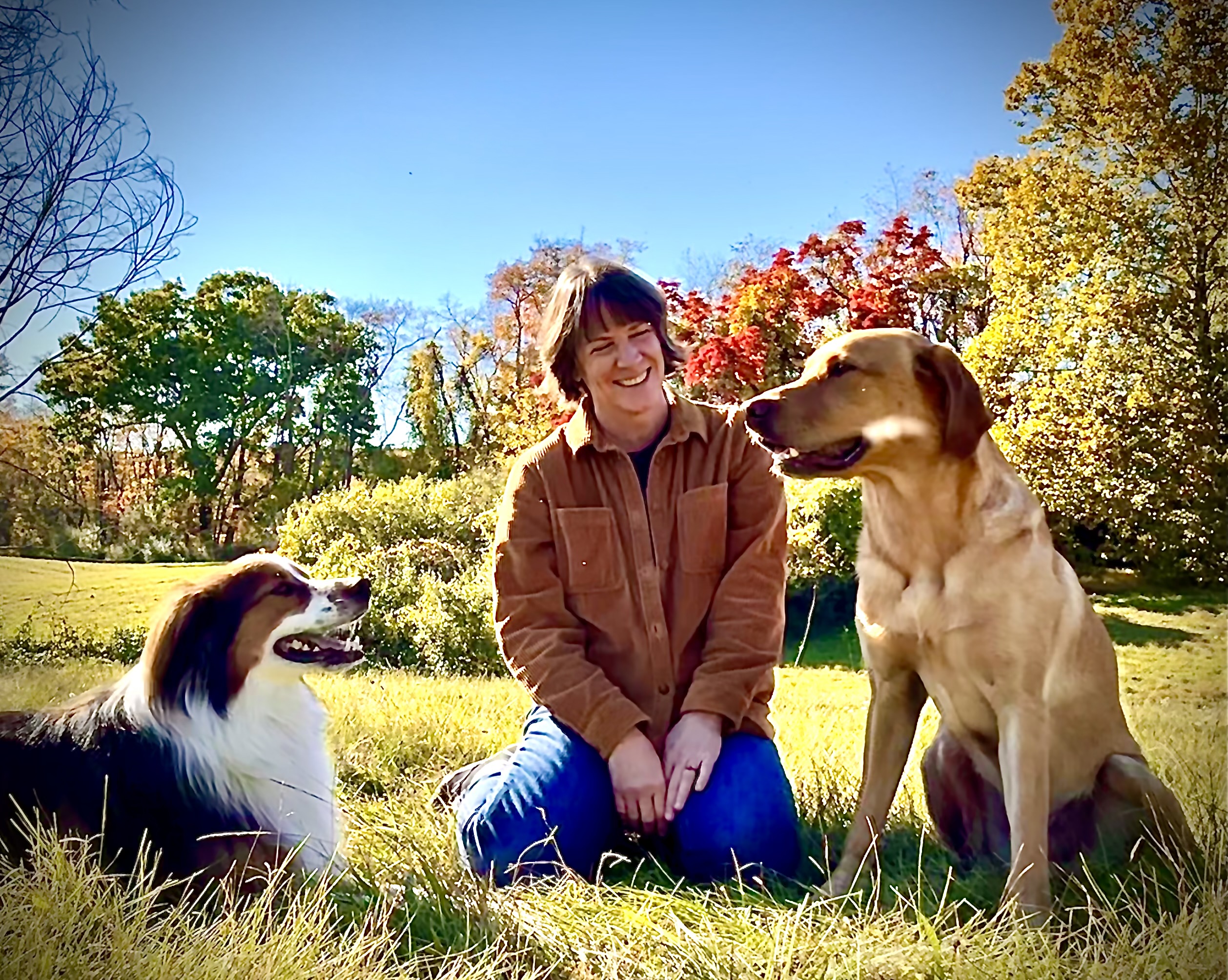
A certified behavior consultant — not just a trainer.
Anyone can call themselves a dog trainer. A CDBC is earned through logged casework in the hard stuff — aggression, reactivity, fear, separation distress — which is why the difficult cases find their way to me. It’s also why the everyday dogs I help don’t become difficult ones: knowing how problems like resource guarding or dog-to-dog tension actually start is exactly what lets me keep them from starting. For a dog who’s struggling, that depth is a rescue. For a puppy, it’s insurance.
You don’t have to figure out what your dog needs. That’s my job.
Most people arrive knowing something is wrong but not what — and picking the wrong plan wastes months. So we don’t guess.
We begin with an assessment
Before any plan, we work out what’s actually driving the behavior. The same barking lunge can be fear in one dog and frustration in the next — and they need opposite things.
You’re matched to the right program
No scrolling a menu wondering which class or package to buy. The assessment sorts your dog into the program that fits, so you’re never paying just to find out.
We do the work, together
Every program is built to change how your dog feels underneath the behavior — which is the part that makes the change actually hold.
From the puppy you want to raise right to the dog you’re worried about.
Behavior work
Reactivity, fear, aggression, and separation distress — the dogs that need a plan, not a class. This is the heart of what I do.
Explore behavior work →Foundations & life skills
Calm, cooperation, and the everyday manners that make living together easy — built one level at a time, so nothing gets skipped.
Explore foundations →Puppy start
The right beginning: socialization, confidence, and the habits that prevent the very problems I’m later called in to fix.
Explore puppy start →Cooperative care
Teaching your dog to accept handling, grooming, and the vet without fear — so care stops being a fight for everyone.
Explore cooperative care →The dog didn’t need fixing. They needed to be understood.
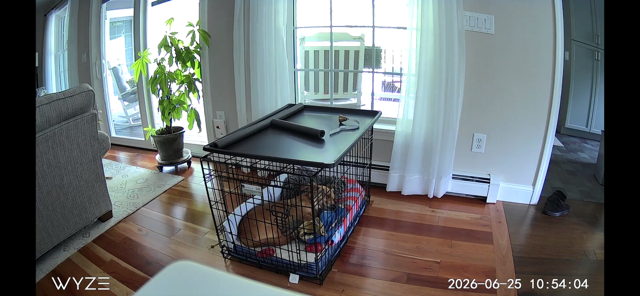
“We’d never had a dog with separation distress, and without Tessa’s guidance I’d be bumbling my way through it. Each day before we train, I picture her and her calmness, so I don’t convey bad energy to Bean. We’re at 44 minutes of crate training now — I can’t believe it.”

“An independent 125-pound Dogue de Bordeaux plus an inexperienced owner — a very big problem. We’d worked with other trainers with no success. The thing I’m most grateful for is that Luc learned he could happily explore the world while attached to a leash.”

“I started with Tessa when my puppy was just three months old. A year later, he’s grown into a confident, attentive, easy dog. I attribute his happy, adventurous disposition to Tessa’s incredible training skills.”

“We adopted Wilma, our 10-year-old dog, and went from a dog who was all over the place to a well-behaved, very happy one. Wilma and our cat Louie now live together as lifelong friends. Tess achieved what we thought was impossible.”